
CDD Due Diligence in Florida Acquisitions: Look Beyond the Tax Bill
By: Alex Dobrev
For Florida commercial real estate buyers, a Community Development District is not just another line item on the tax bill. A CDD is a special-purpose local government created under Chapter 190, Florida Statutes, commonly used to finance, construct, operate, and maintain infrastructure and community facilities serving land within the district. In acquisition diligence, buyer’s counsel should treat the CDD as a public-finance and infrastructure overlay on the property – not as an HOA with better stationery.
That distinction matters. A tax bill may show an annual non-ad valorem assessment, but it rarely tells the full story. The more important questions are what public debt, assessment methodology, infrastructure obligations, liens, easements, pending board actions, and future cost exposure travel with the property.
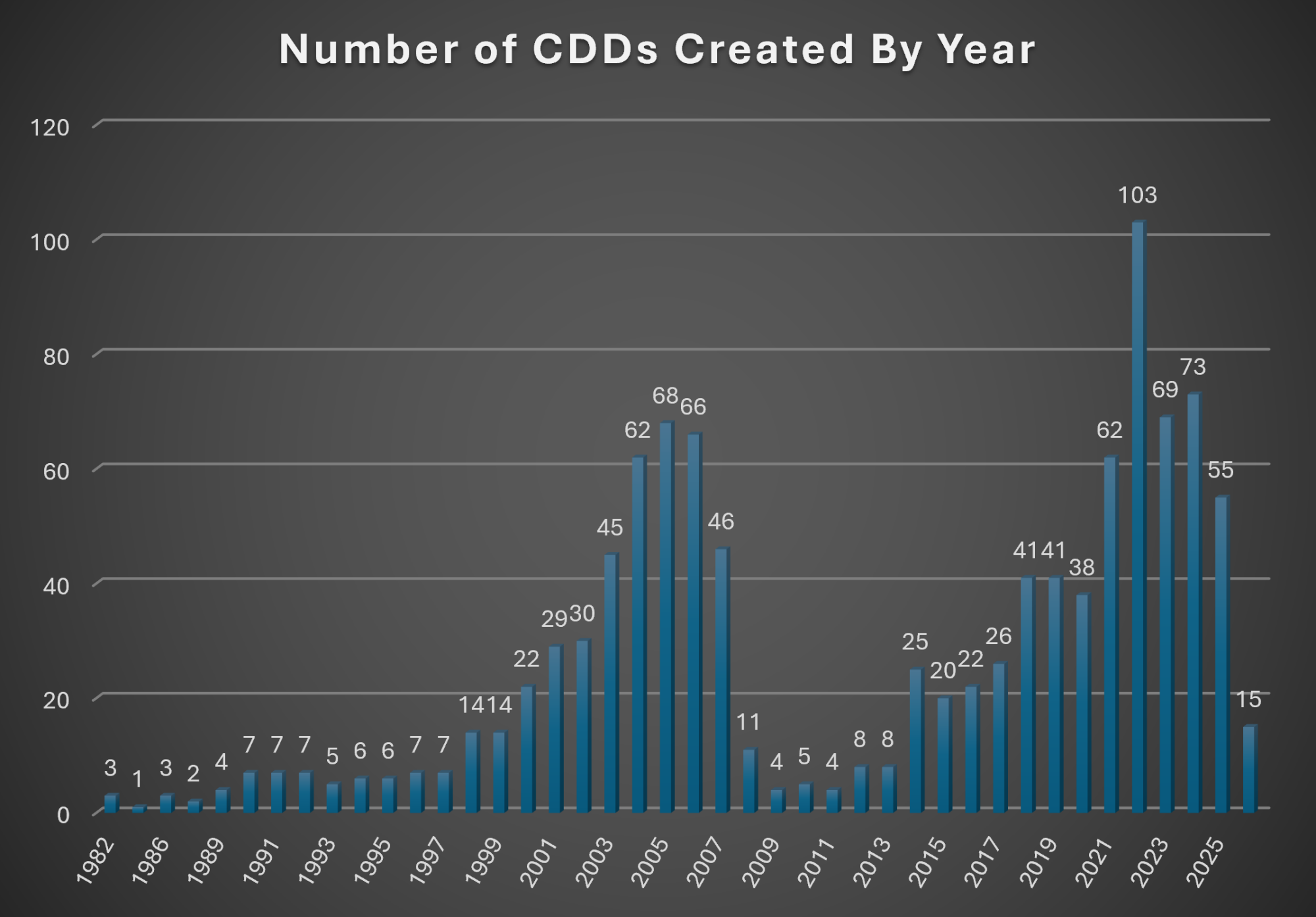
Florida now has approximately 1,091 Community Development Districts, making CDD diligence a recurring issue in acquisitions involving master-planned, mixed-use, residential, retail, industrial, and development land.
The first issue is boundary status. Buyer’s counsel should confirm whether all, part, or none of the property lies within the CDD by reviewing the establishment documents, boundary maps, recorded notices, GIS records, title commitment, survey, and district manager confirmation. Partial inclusion can create awkward allocation, access, and assessment issues – the real estate equivalent of buying only half the umbrella.
Next, counsel should identify all current and potential assessments, including debt service, operations and maintenance, benefit, capital, direct-bill, supplemental, deferred, prepaid, and pending assessments. Bond debt deserves particular scrutiny. Buyers should understand the remaining principal allocable to the property, whether prepayment is available, and whether additional bonds, refundings, or supplemental assessments are under consideration.
The assessment methodology also matters. A commercial buyer should not assume the district’s allocation model fits the intended use. Methodologies may be based on acreage, units, ERUs, square footage, trip generation, development phase assumptions, or other benefit measures. If the methodology does not align with the buyer’s business plan, the issue may affect pricing, financing, tenant recoveries, development feasibility, or exit value.
Title and survey review should include recorded assessment liens, notices, plats, dedications, easements, drainage facilities, access rights, conservation areas, and utility or maintenance obligations. Counsel should also review CDD-owned or maintained infrastructure, district budgets, recent agendas and minutes, public records, pending board actions, and any developer-era acquisition, completion, funding, cost-share, utility, or impact fee credit agreements.
The purchase agreement should allocate this risk expressly. Practical protections include seller representations regarding CDD status, assessments, bonds, liens, defaults, direct bills, pending proceedings, and CDD-related agreements; early document delivery covenants; interim covenants preventing seller support for new assessments or bond actions; closing conditions for updated district confirmations; CDD-specific prorations; indemnities for undisclosed or seller-period obligations; title objection rights; and termination rights for unacceptable CDD exposure.
Takeaway
CDD diligence is not a tax-proration exercise. It is a public-finance, infrastructure, title, underwriting, and closing issue that should be diligenced early, priced carefully, and addressed directly in the PSA.
This article is for informational purposes only and does not provide legal advice. Please do not act or refrain from acting based on anything you read here. Please review the full disclaimer for more information. Relying on the information provided in this article or communicating with Lowndes through our website does not create an attorney/client relationship.

